

Dubai’s development ecosystem continues to evolve at an extraordinary pace, driven by ambitious projects, global investment, and a commitment to excellence that demands structured execution and strategic oversight, where the growing reliance on a project management company in dubai reflects the increasing need for expertise in coordinating large-scale developments that involve multiple stakeholders, technical disciplines, and strict timelines, ensuring that projects are delivered efficiently while maintaining high standards of quality, cost control, and performance in a highly competitive environment
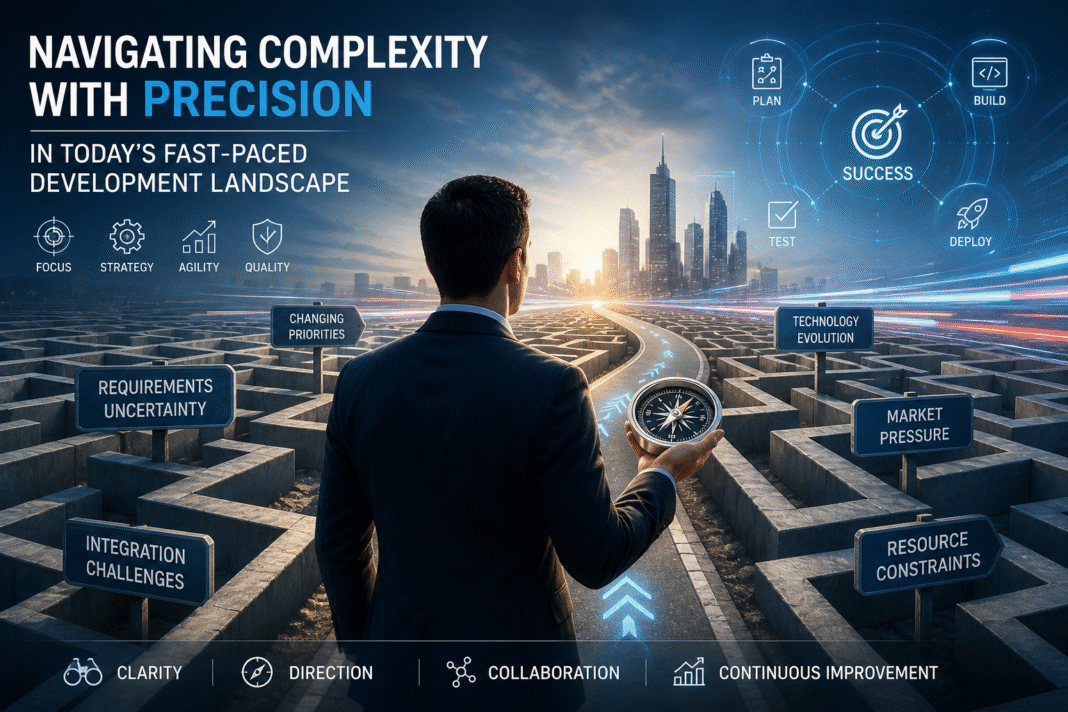
The complexity of modern development projects requires a comprehensive approach that integrates planning, design, procurement, and construction into a cohesive framework, allowing developers to manage risks, optimize resources, and achieve desired outcomes with precision, while also adapting to changing market conditions and regulatory requirements that influence project execution and long-term viability
As Dubai continues to expand its urban landscape, the importance of professional project oversight becomes even more critical, enabling developers to transform ambitious concepts into tangible results that contribute to the city’s growth, sustainability, and global reputation as a hub for innovation and excellence in real estate and infrastructure development
The Rising Complexity of Modern Development Projects
Development projects today are significantly more complex than in the past, involving advanced technologies, sustainability requirements, and intricate design elements that require careful coordination and management to ensure successful execution, making structured project management an essential component of the development process
This complexity is further amplified by the need to align multiple stakeholders, including investors, architects, engineers, contractors, and regulatory authorities, all of whom play a critical role in shaping the outcome of a project, requiring effective communication and collaboration to maintain alignment and achieve common objectives
The ability to manage these complexities effectively is what differentiates successful projects from those that face delays, cost overruns, or quality issues, highlighting the importance of adopting a systematic approach to project management that prioritizes efficiency, transparency, and accountability
Strategic Planning as the Foundation of Success
Every successful development begins with a well-defined strategy that outlines clear objectives, timelines, and resource requirements, providing a roadmap that guides the entire project from concept to completion, while also allowing for flexibility to adapt to unforeseen challenges and evolving market conditions
Strategic planning involves detailed analysis of site conditions, market demand, regulatory frameworks, and financial considerations, ensuring that projects are designed and executed in a way that maximizes value and minimizes risks, while also aligning with long-term development goals and investment strategies
This proactive approach to planning enables developers to anticipate potential challenges and implement solutions early in the process, reducing the likelihood of disruptions and ensuring that projects remain on track and within budget
Technology and Innovation in Project Execution
Technology has become a key driver of efficiency and innovation in project management, providing tools and systems that enhance communication, improve accuracy, and enable real-time monitoring of project progress, allowing
Digital platforms, data analytics, and advanced construction technologies are increasingly being used to streamline processes, reduce costs, and improve overall project performance, creating a more efficient and transparent development environment that supports better outcomes for all stakeholders involved
Innovation also plays a crucial role in addressing emerging challenges such as sustainability and resource management, enabling developers to adopt new approaches that reduce environmental impact while maintaining high standards of quality and efficiency
Risk Management and Quality Control
Risk management is a fundamental aspect of project oversight, requiring a proactive approach that identifies potential issues and implements strategies to mitigate their impact, ensuring that projects are completed successfully without unnecessary delays or cost increases
This involves continuous monitoring, regular assessments, and the use of established frameworks that support effective decision-making and problem-solving, allowing project managers to maintain control over all aspects of the development process and respond quickly to changing conditions
Quality control is equally important, as it ensures that every element of the project meets defined standards and specifications, from materials and construction methods to design and functionality, creating developments that are durable, efficient, and aligned with both regulatory requirements and market expectations
Collaboration and Stakeholder Alignment
Successful project delivery depends on strong collaboration between all stakeholders involved in the development process, requiring clear communication, shared objectives, and a commitment to achieving common goals that support the overall success of the project
Effective collaboration helps to build trust, improve efficiency, and reduce the likelihood of conflicts or misunderstandings that can impact project timelines and outcomes, while also enabling better coordination of resources and expertise that contribute to high-quality results
By fostering a collaborative environment, project managers can ensure that all aspects of the project are integrated seamlessly, creating a cohesive and well-executed development that meets both technical and commercial objectives
Conclusion:
Delivering Excellence Through Structured Expertise
Dubai’s fast-paced development landscape continues to present opportunities and challenges that require a high level of expertise, precision, and strategic oversight to navigate successfully, where the ability to manage complexity and deliver results is essential in achieving long-term value and maintaining the city’s reputation for excellence
The role of professional project management in this environment cannot be overstated, as it provides the structure, coordination, and expertise needed to transform ambitious visions into successful developments that meet the expectations of investors, stakeholders, and end users alike, making collaboration with a trusted Real Estate Company in Dubai a key factor in ensuring that projects are delivered with efficiency, quality, and long-term sustainability within one of the world’s most dynamic real estate markets